
Clodronate Liposomes for Macrophage Depletion
Controlled Clodronate Content and Particle Size Ensuring High efficiency and Reliable depletion in vivo Experiments
Clodronate Liposomes represent the most mature, convenient, and cost-effective tool for in vivo macrophage depletion. Widely regarded as the gold standard, they selectively eliminate macrophages across multiple tissues, including the liver, spleen, lungs, and bloodstream.

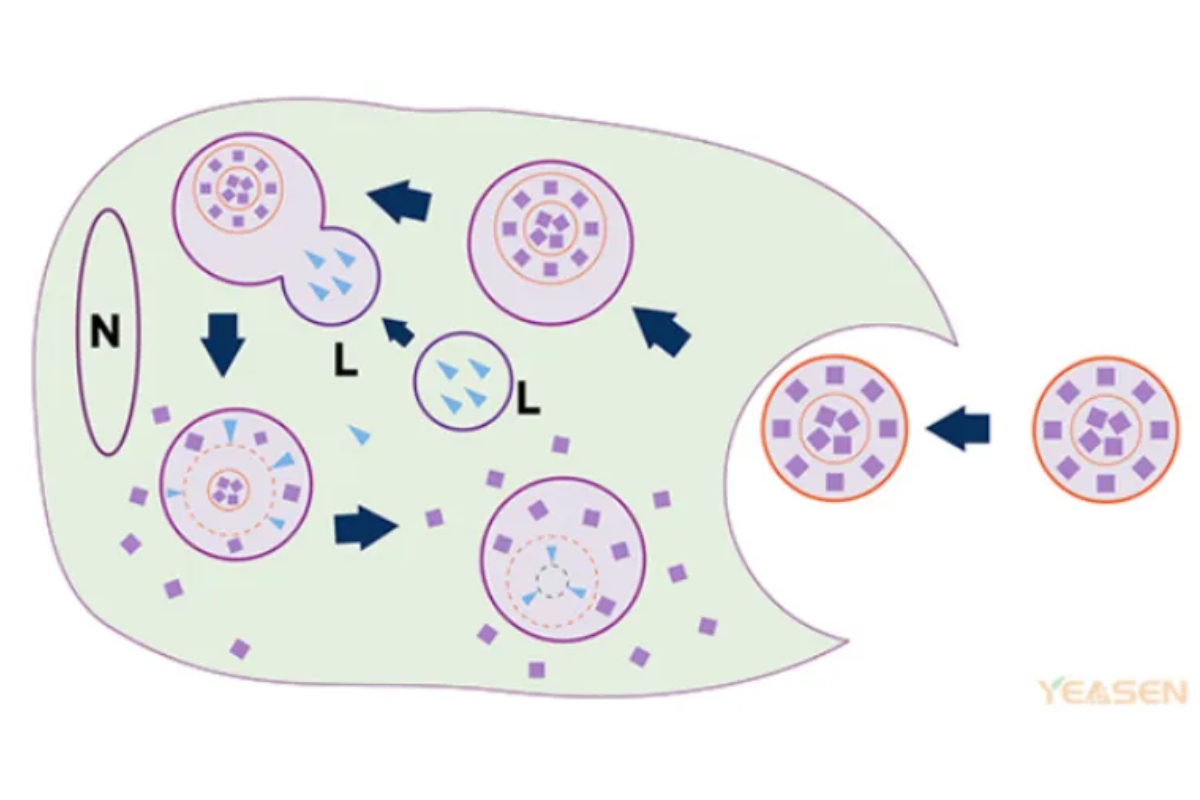
Figure Mechanism of Macrophage Depletion by Clodronate Liposomes
Clodronate is encapsulated within the aqueous phase of phospholipid vesicles to form Clodronate Liposomes. Clodronate cannot freely pass through the phospholipid bilayer of the liposomes. After injection into a biological organism, the Clodronate Liposomes are phagocytosed by macrophages. Under the action of lysosomal phosphatases within the macrophages, the clodronate dissolved inside the liposomes is gradually released and accumulates within the cell. When a certain concentration is reached, the macrophages suffer irreversible damage, inducing apoptosis. The clodronate within the dead cells is then released extracellularly and excreted from the body.
Yeasen has developed an innovative nanoparticle-based reagent that delivers exceptional biocompatibility, reliable depletion efficiency, and stable performance across a wide range of in vivo studies.
Key Highlights
Performance Data
Brain Macrophage Depletion
Source: B cell treatment promotes a neuroprotective microenvironment after traumatic brain injury through reciprocal immunomodulation with infiltrating peripheral myeloid cells (IF=10.1)
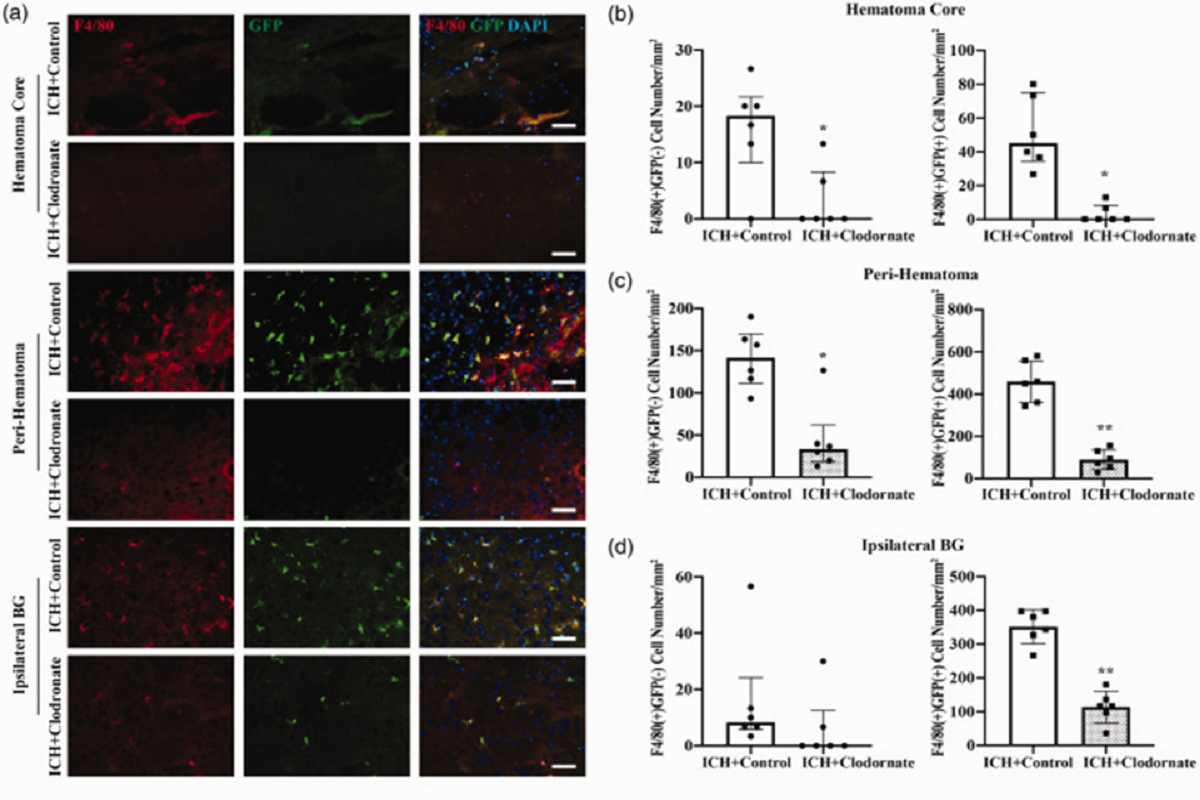
Macrophage Depletion Method: Male C57BL/6J mice (8–12 weeks old) were intravenously injected with Clodronate Liposomes at a dose of 10 μL/g body weight. Control animals received an equivalent dose of PBS liposomes.
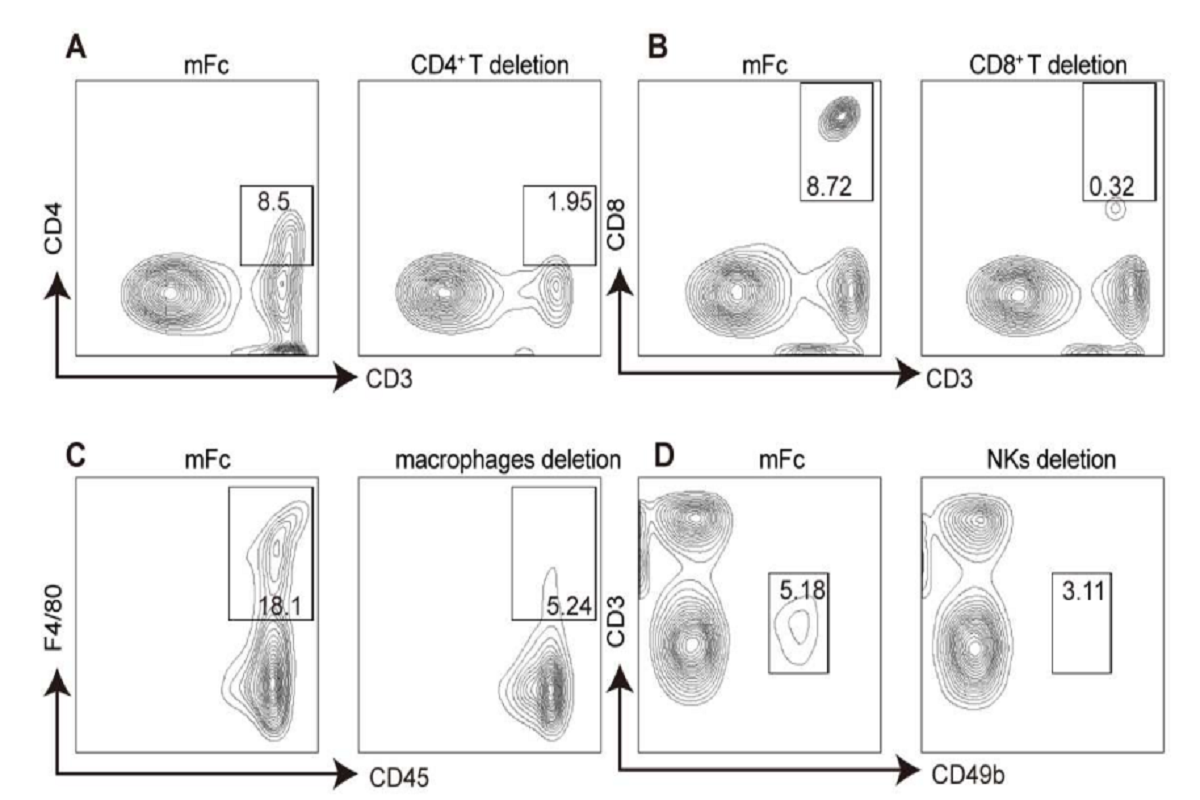
Results: Intravenous administration of Clodronate Liposomes effectively depleted highly phagocytic CD45hiCD11bhi monocytes/macrophages. Flow cytometry confirmed a systemic depletion, resulting in an approximately 90% reduction in the abundance of monocytes/macrophages infiltrating the brain 48 hours post-CCI.

C57BL/6 Mouse Macrophage Depletion
Source: Targeting GSDME-mediated macrophage polarization for enhanced antitumor immunity in hepatocellular carcinoma (IF=10.1).
Macrophage Depletion Method: Clodronate liposomes (40337ES, Yeasen) were administered at 200 μL per mouse to deplete macrophages, with empty liposomes (40338ES, Yeasen) serving as controls.
Results: Macrophage depletion was confirmed by flow cytometry using F4/80 and CD11b antibodies, which showed a significant reduction in macrophages.

Intestinal Macrophage Depletion
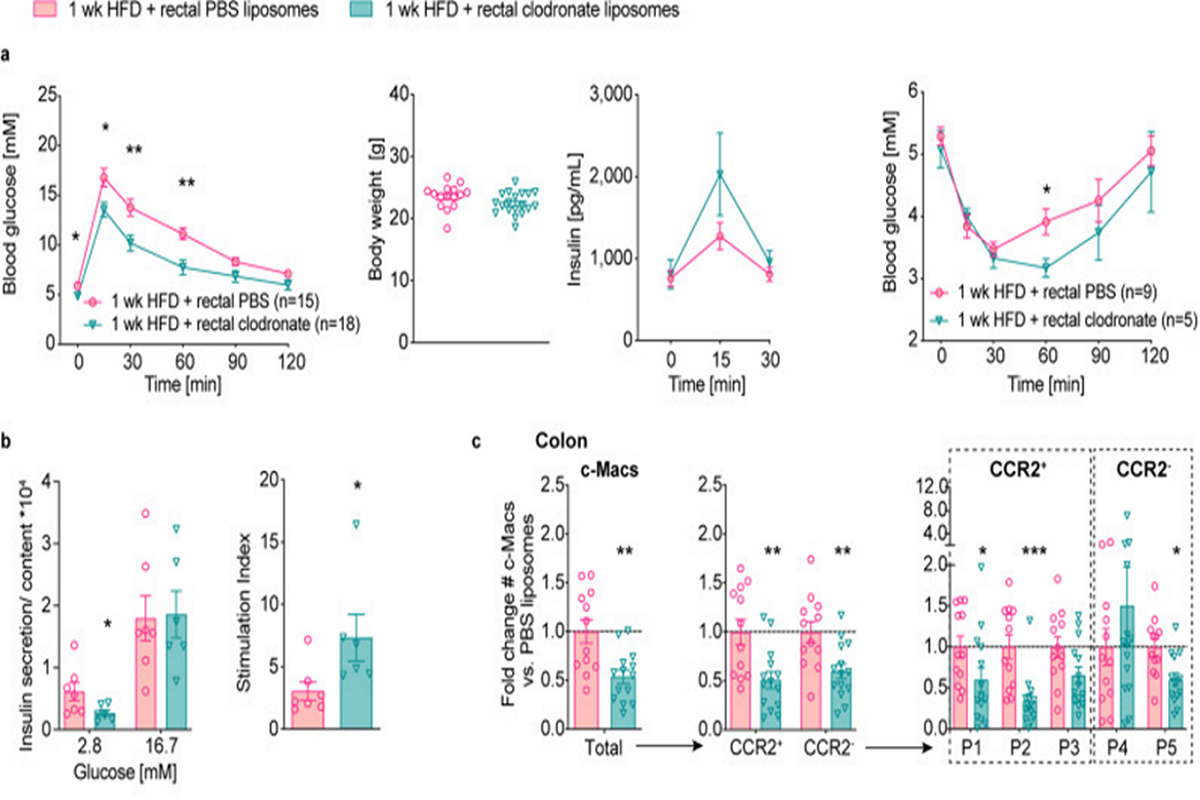
Source: N-Acetylglucosaminyltransferase V exacerbates murine colitis with macrophage dysfunction and enhances colitic tumorigenesis (IF=5.5)
Macrophage Depletion Method: 200 μL of Clodronate Liposomes were administered intravenously via the tail vein on days 2 and 4 of DSS treatment.
Results: Flow cytometry confirmed effective macrophage depletion, demonstrating an >80% reduction in F4/80-positive macrophages.

Liver Macrophage Depletion
Source: Mononuclear phagocyte system blockade improves therapeutic exosome delivery to the myocardium (IF=13.3)
Macrophage Depletion Method: Mice were treated with PBS / Liposomes / Clodronate Liposomes (0.1 ml/10 g) for 48 hours. Macrophages in liver and spleen cells were analyzed using CD11b and F4/80.
Results: Flow cytometric analysis confirmed effective depletion of the mononuclear phagocyte system. As shown in **Figure A** (liver) and **Figure B** (spleen), treatment with Clodronate Liposomes resulted in a significant reduction of CD11b+F4/80+ macrophages compared to PBS and control liposome groups.

Lung Macrophage Depletion
Source: CD11c+/CD11b+ Cells Are Critical for Organic Dust–Elicited Murine Lung Inflammation (IF=5.3,)
Macrophage Depletion Method: 30 μL of Clodronate Liposomes were administered intranasally every 3–4 days for 3 weeks to maintain macrophage depletion.
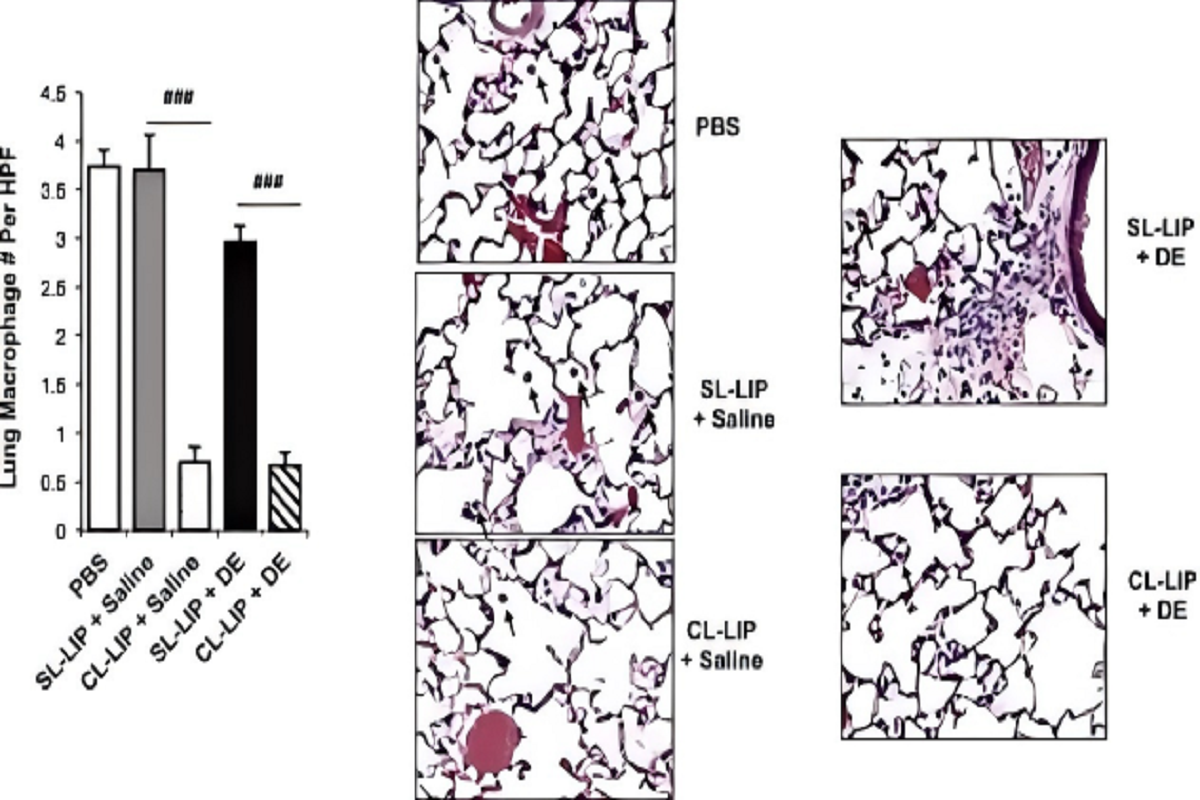
Results: Clodronate liposomes (CL-LIP) and saline liposomes (SL-LIP) were administered once, 2 days prior to acute exposure to DE or saline control, with mice sacrificed 5 hours post-exposure. Microscopic examination of H&E-stained lung sections confirmed macrophage depletion, demonstrating a greater than 80% reduction in macrophage infiltration in CL-LIP-treated mice compared to SL-LIP-treated animals.

Peripheral Blood Macrophage Depletion
Source: Monocyte-Derived Macrophages Induce Alveolar Macrophages Death via TNF-α in Acute Lung Injury (IF=2.7)
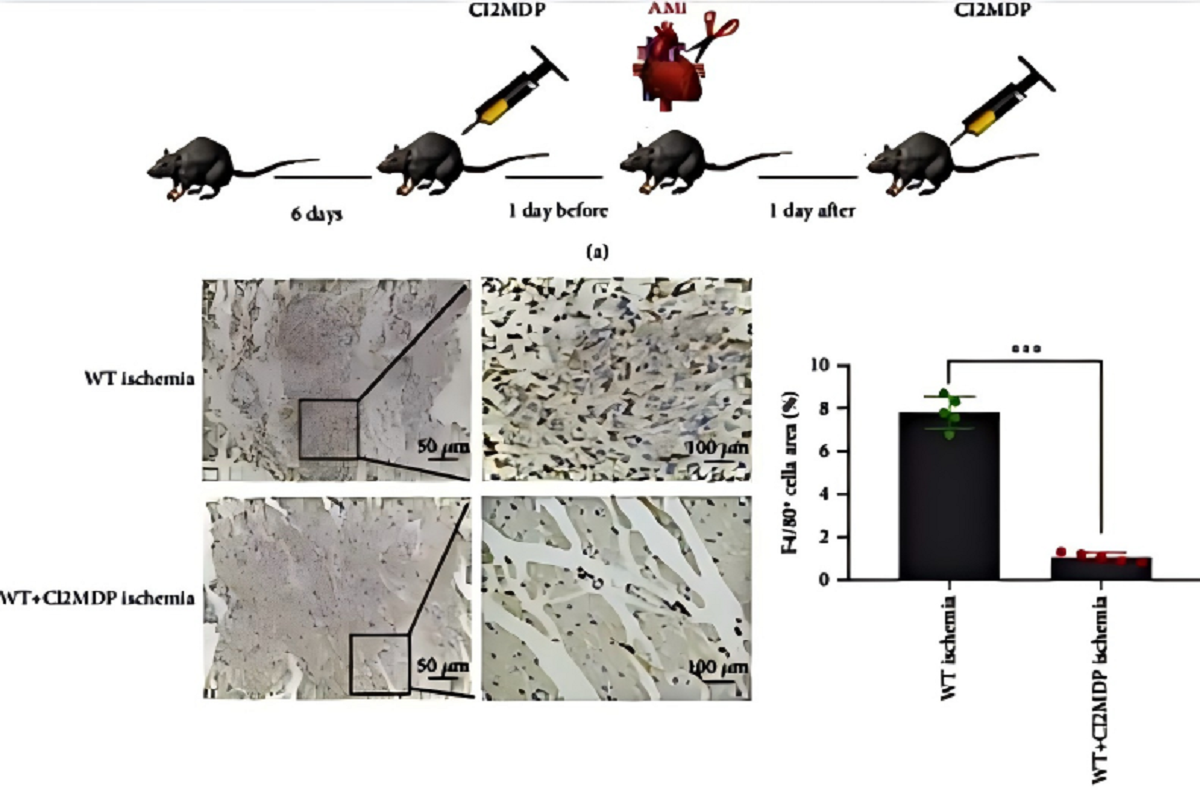
Macrophage Depletion Method: C57BL/6 wild-type mice were intravenously injected via the tail vein with 200 μL of Clodronate Liposomes or PBS liposomes as a control to deplete monocytes.
Results:
(A) Wild-type mice received an intravenous injection of 200 μL Clodronate Liposomes or PBS liposomes (2 μg/g body weight) one day prior to intratracheal LPS instillation, and were sacrificed on day 3 post-LPS (n = 3).
(B) Peripheral blood monocytes were effectively depleted by day 4.

Spleen Macrophage Depletion
Source: Pharmacological macrophage inhibition decreases metastasis formation in a genetic model of pancreatic cancer (IF=25.8)
Macrophage Depletion Method: For long-term treatment, KPC mice received intraperitoneal injections of Clodronate Liposomes (1.4 mg/20 g body weight) twice weekly from 8 weeks (P56) to 20 weeks (P140) of age. Mice injected with an equal volume of PBS liposomes served as controls.
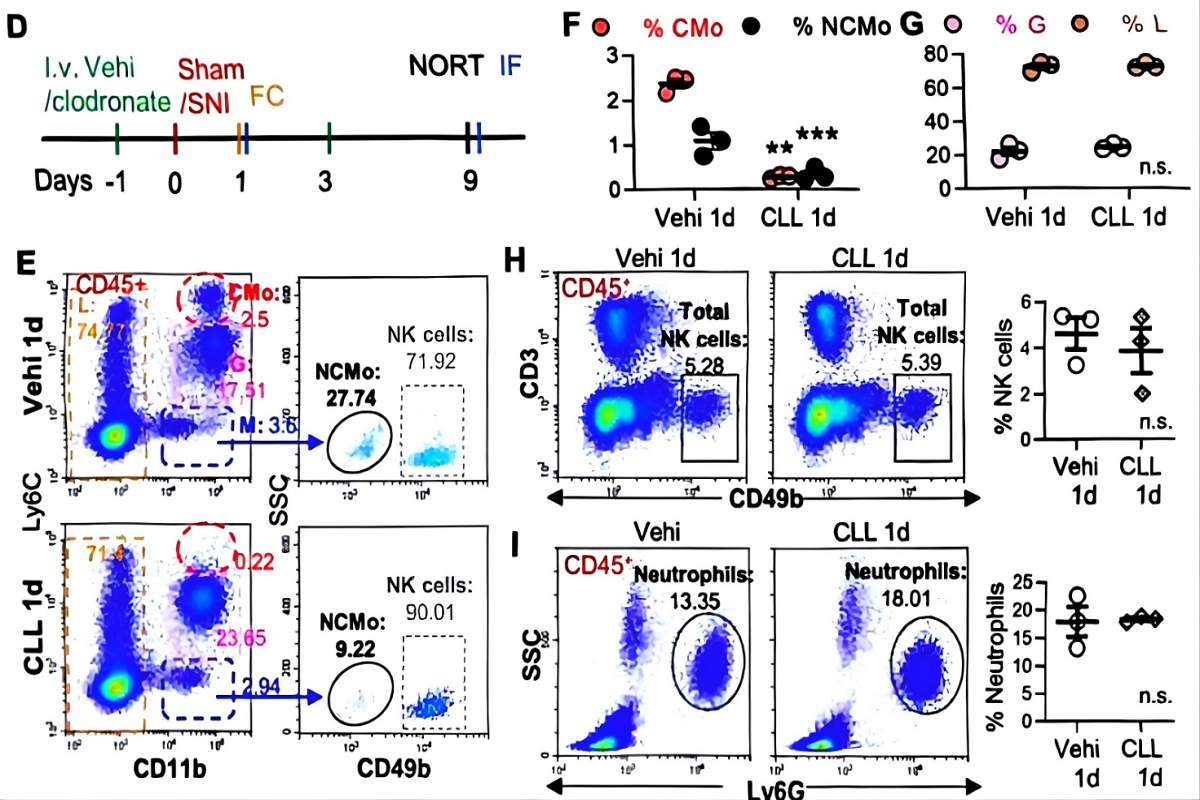
Results: Following short-term (2-week) treatment, flow cytometry revealed a reduction in CD68+ cells in the pancreas, spleen, and bone marrow by 48%, 56%, and 73%, respectively (Figure 1C; Supplementary Figure S1A, B).

Macrophage Depletion Technical Resource
Lesson 1. Injection Methods and Administration Strategies
Lesson 2. Liver Macrophage Depletion

Lesson 3. Lung Macrophage Depletion
Lesson 4. Intestinal Macrophage Depletion
Lesson 5. Brain Macrophage Depletion
Lesson 6. Macrophage Depletion in C57BL/6 Mice
Lesson 7. Peripheral Blood Macrophage Depletion
Lesson 8. Spleen Macrophage Depletion
Lesson 9. Testis Macrophage Depletion
Lesson 10. Macrophage Depletion in Rats
Lesson 11. Macrophages and In Vitro/In Vivo Research Strategies
Lesson 12. Macrophage Depletion Procedures and Literature Case Analysis
Lesson 13. Macrophage Depletion FAQ
FAQs
Cited in High-impact Publications | Total IF >1000
Backed by consistent high quality, numerous peer-reviewed studies on our depletion reagents and control liposomes have appeared in top-tier journals in the past five years, verifying their reliable performance in practical research.

Journal | IF | Reference |
|---|---|---|
Science | 45.8 | |
Signal Transduct Target Ther | 52.7 | |
CANCER CELL | 44.5 | |
Immunity | 26.3 | |
Science Bulletin | 21.1 | |
Cell Mol Immunol | 19.8 | |
Mol Cell | 18 | |
Adv Sci | 17.5 | |
Cancer Res | 16.6 | |
...... |
Product Ordering
