
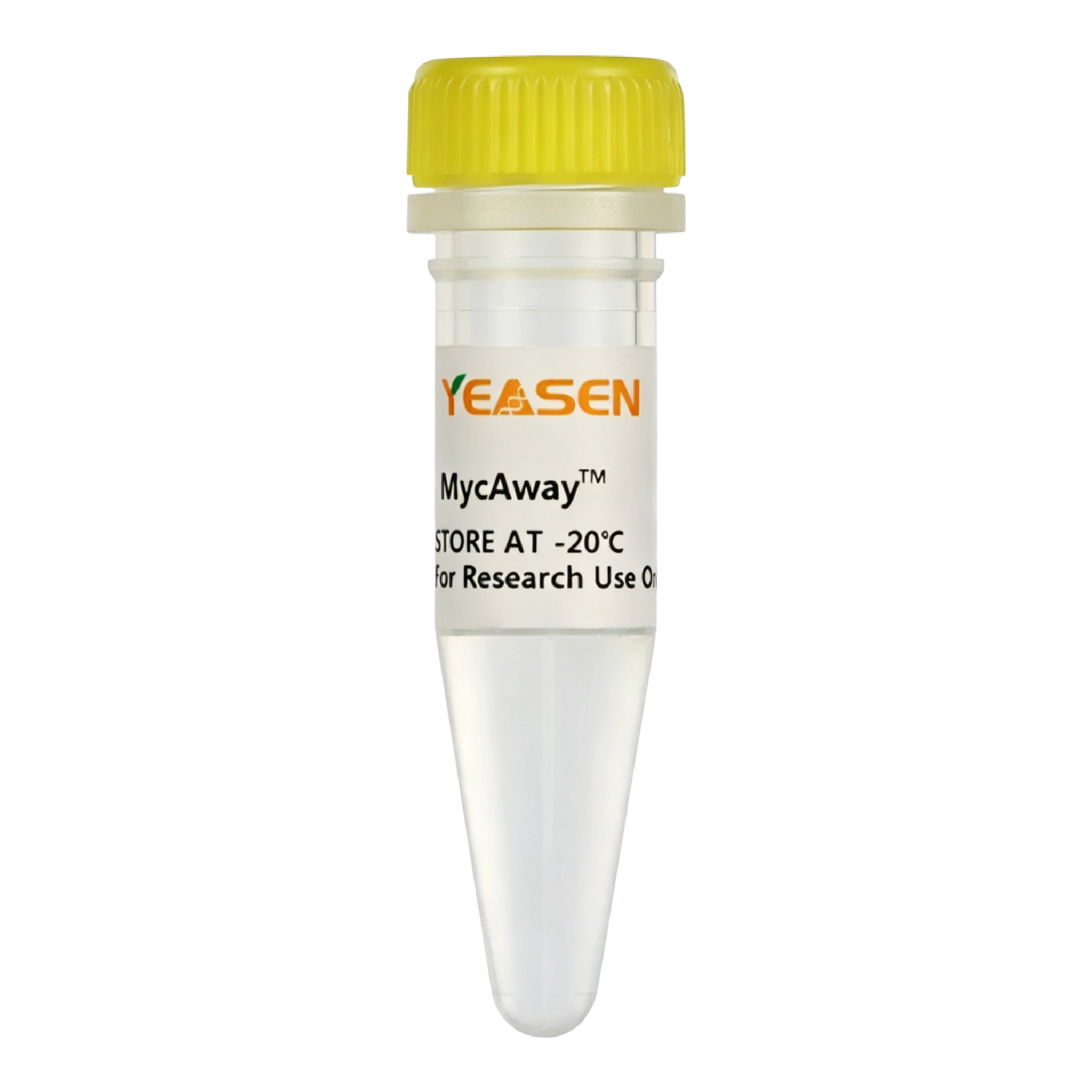


In the process of cell cultures, regular detection can effectively avoid mycoplasma infection, but if the cells have been infected with mycoplasma, they need to be treated in time. The best treatment is to discard the cells after high-pressure sterilization to avoid contaminating other clean cell lines. If contaminated cells are precious, mycoplasma infection must be removed. Because mycoplasma lacks the cell wall, conventional antibiotics are generally ineffective. This product is an improved mixed preparation specially used for mycoplasma elimination. It can achieve a good mycoplasma elimination effect by inhibiting the synthesis of related proteins and is not harmful to cells. Minimize the loss of your precious cells due to mycoplasma infection.
Yeasen offers comprehensive solutions for Mycoplasma contamination. Explore our related products: Concept of Mycoplasma and the Impact of Contamination
Feature
Ultra-low Toxicity: Only block the bacterial protein synthesis rather than animal cells
Excellent Stability: Stored at -15℃ ~ -25℃ for 18 months
Facilitated Operation: Just added into the culture medium
Rapid Onset: Take effect in 3 days
Wide Applicability: Effective against most mycoplasmas
Application
Mycoplasma Elimination
Components
| Components No. | Name | 40607ES03 | 40607ES08 |
| 40607 | MycAway™ Treatment (1000×) - Mycoplasma Elimination Reagent | 1 mL | 5×1 mL |
Figures
1. The representative image of the cell before and after mycoplasma removal
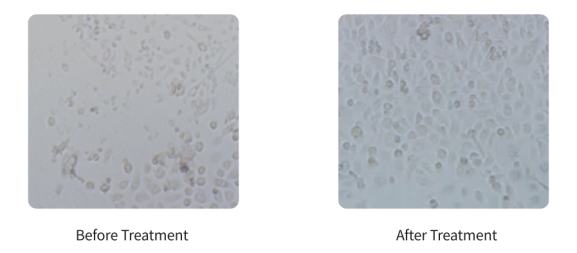
Figure 1. The representative image before and after mycoplasma removal by YEASEN MycAway™ Reagent
2. The cell growth and viability were not affected by YEASEN MycAway™ Reagents
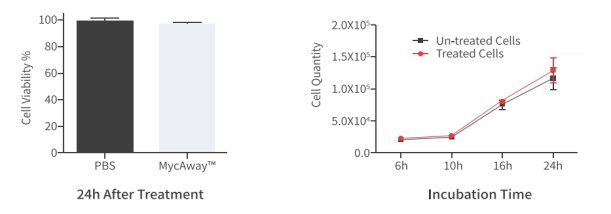
Figure 2:The effects of MycAway™ Reagents on cell growth and viability were detected.
The cell growth and viability were not affected by YEASEN MycAway™ Reagents.
Storage
FAQ
Blocking concentration: During the blocking experiment, the matrix gel does not need to gel, so the blocking concentration should be less than the gel concentration (i.e., 3mg/mL). The working concentration needs to be tested through preliminary experiments based on the specific cell type. For invasion experiments, it is recommended to set the concentration between 1-2mg/mL, and then optimize it according to the specific experimental system.
Vascularization experiment concentration: Please ensure to use a matrix gel product with a concentration greater than 10 mg/mL.
Intraperitoneal subcutaneous injection experimental concentration: Since this is an in vivo experiment, to prevent incomplete gel formation, it is recommended that the final concentration be above 4 mg/mL.
3D culture: The recommended final concentration should be above 4 mg/mL.
Citations
Documents


You may also like
Inquiry
FAQ
The product is for research purposes only and is not intended for therapeutic or diagnostic use in humans or animals. Products and content are protected by patents, trademarks, and copyrights owned by Yeasen Biotechnology. Trademark symbols indicate the country of origin, not necessarily registration in all regions.
Certain applications may require additional third-party intellectual property rights.
Yeasen is dedicated to ethical science, believing our research should address critical questions while ensuring safety and ethical standards.