



شرح
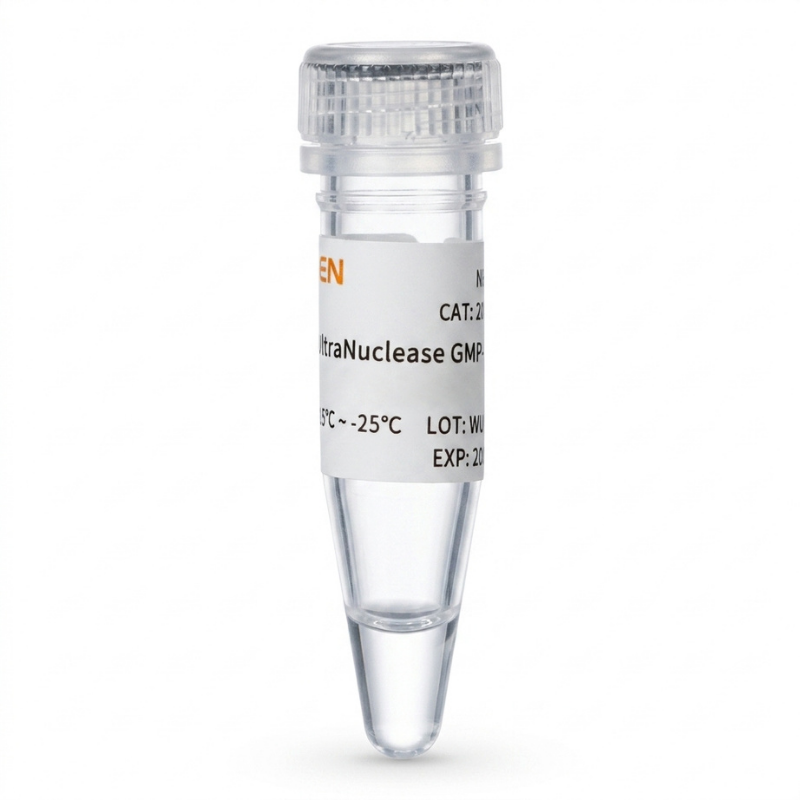
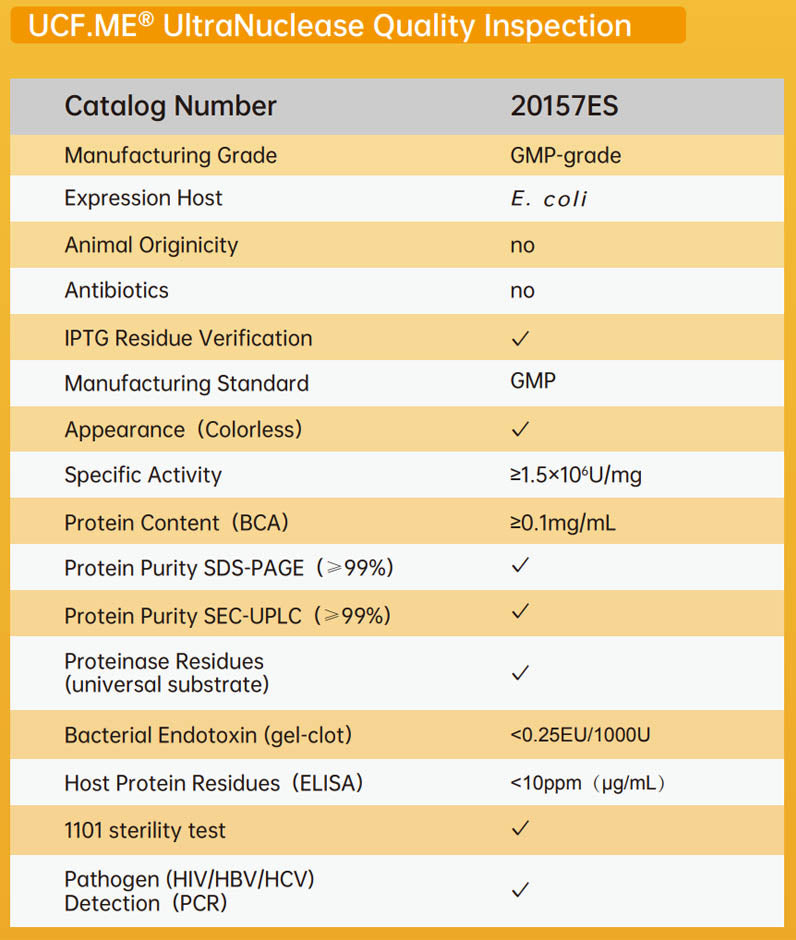
UltraNuclease is a genetically engineered endonuclease from Serratia marcescens. The enzyme digests all forms of DNA/RNA moleculars into oligonucleotides of about 5 bp. The product is expressed in Escherichia coli (E. coli) and purified under the GMP environments. The nuclease is equivlent to benzonase in reducing host nucleic acid residues to pg-grade, improving the performance and safety of biological products of applications including virus purification, vaccine manufacturing, and protein/polysaccharide pharmaceutical manufacturing. It can also used in protein study to reduce the viscosity of cell supernatant and cell lysate, increase protein purification efficiency and enhance protein functional research.
UltraNuclease is provided in the form of a sterilized reagent, eluted in buffer (20 mM Tris-HCl pH 8.0, 2 mM MgCl2, 20 mM NaCl, 50% glycerin), with the appearance of a colorless, transparent liquid. This product is produced by GMP process requirements and provided in a liquid form.
Features
- Wide range of applications: degrade all forms of DNA and RNA
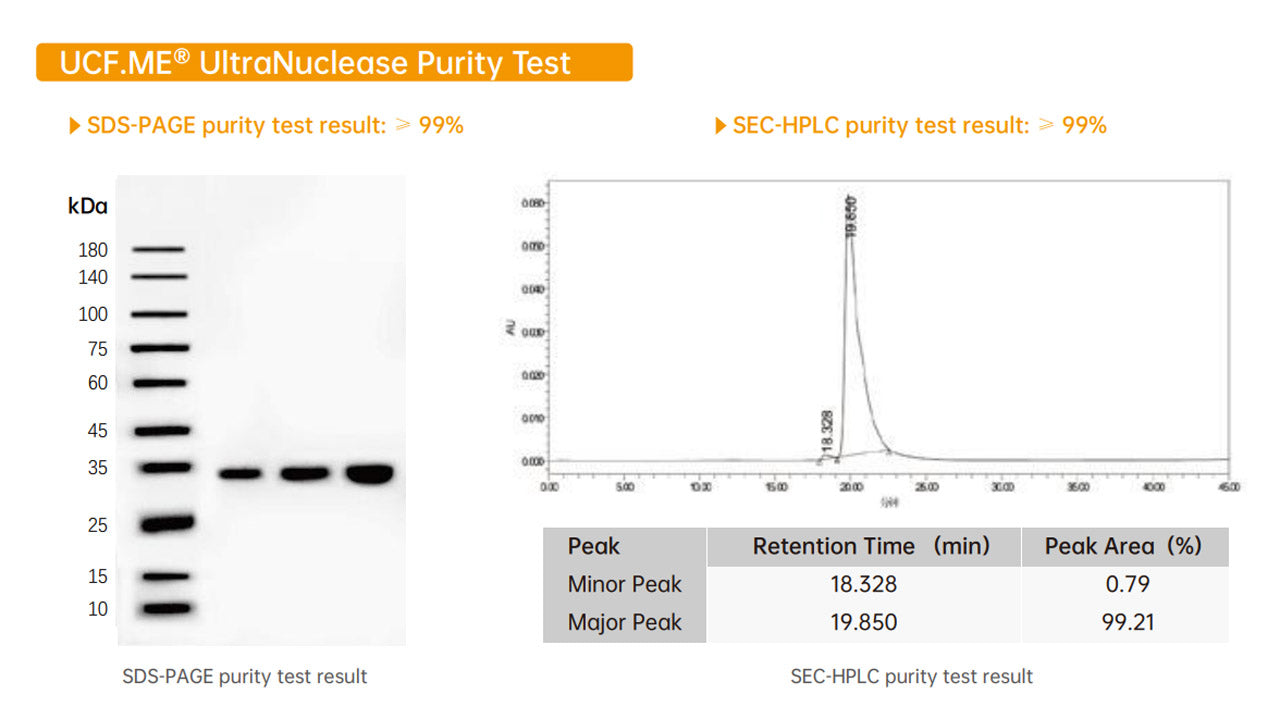
- High purity and activity: purity ≥ 99%; specific activity ≥ 1.5×10⁶ U/mg
- Strong adaptability: strong tolerance, adapt to a variety of reaction conditions
- Comply with pharmacopeia: no animal origin; no antibiotics; lower endotoxin
- Qualification: product gets the FDA DMF filling which can shorten the customers for new drug application
- GMP-grade manufacturing: strict standards to meet the needs of large-scale use for research to manufacture
Application
- Purification of viral vaccines, viral vectors for the vaccine, and oncolytic viruses, removing DNA/RNA from proteins and other biologicals
- Reduction of viscosity caused by nucleic acids
- Sample preparation in electrophoresis and chromatography
- Prevention of cell clumping
Specification
| Expression Host | Recombinant E. coli with UltraNuclease gene |
| Molecular Weight | 26.5 kDa |
| Isoelectric point | 6.85 |
| Purity | ≥ 99% (SDS-PAGE) |
| Storage Buffer | 20 mM Tris-HCl pH8.0, 2 mM MgCl2, 20 mM NaCl, 50% glycerin |
| Unit Definition | The definition of one Activity unit (U) is the amount of enzyme used to change the absorption value of △A260 by 1.0 in 30 minutes in a 2.625 mL reaction system at 37°C with a pH of 8.0 (equivalent to complete digestion of 37 μg salmon sperm DNA into oligonucleotides). |
Components
|
Components No. |
Name |
20157ES25 (25 KU) |
20157ES60 (100 KU) |
20157ES80 (1 MU) |
20157ES90 (5 MU) |
|
20157 |
UltraNuclease GMP-grade (250 U/μL) |
100 μL |
400 μL |
4 mL |
20 mL |
Shipping and Storage
The product is shipped with dry ice and can be stored at -15℃ ~ -25℃ for two years. If the product is opened and has been stored at 4℃ for more than a week, we recommend filtering the product to prevent microbial contamination.
Figures
- Quality
|
No. |
Test Items |
Competitor |
Yeasen |
|
1 |
Source |
E. coli |
E. coli |
|
2 |
Activity |
≥ 250 units/μL |
250-300 units/μL |
|
3 |
Specific Activity |
≥1.1×10⁶ U/mg |
≥1.5×10⁶ U/mg |
|
4 |
Purity |
≥ 99%(SDS) |
≥ 99%(HPLC) |
|
5 |
Endotoxin |
< 0.25EU/1000U |
< 0.25EU/1000U |
|
6 |
Protease |
None Detected |
None Detected |
- UltraNuclease Enzymatic Activity Under Different Conditions
Temperature & pH

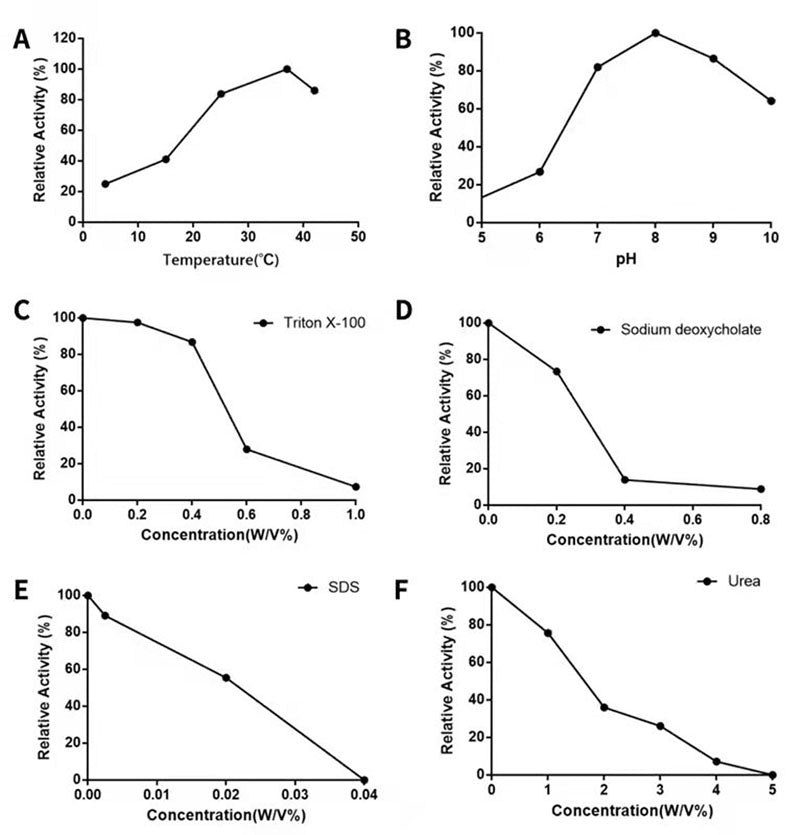
Figure 1. Effects of temperature and pH on enzyme activity.
(A) Enzyme activity increases with temperature, with the optimum at 37 °C.
(B) The enzyme is active within pH 4–10, with pH 8.0 as the optimum.
Salt ion concentration

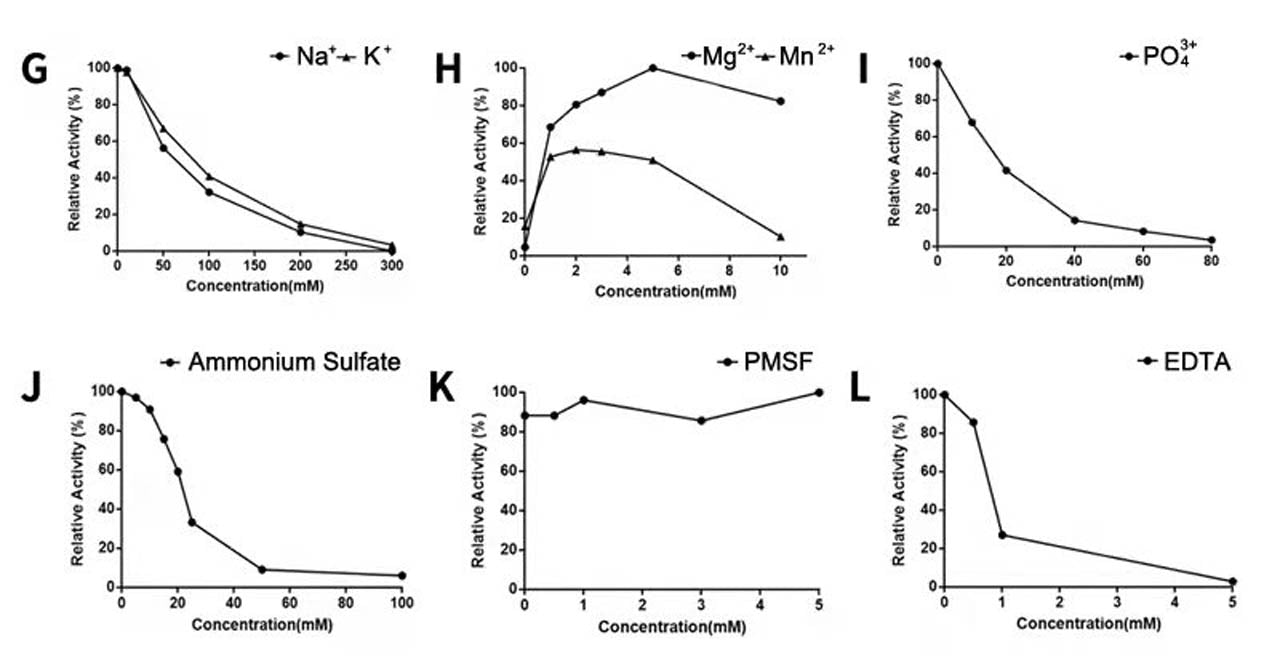
Figure 2. Effects of salt ion concentration on enzyme activity.
(A). Na⁺/K⁺ inhibit enzyme activity; activity is completely lost above 300 mM, while good activity is retained below 20 mM.
(B). Maximum activity is observed with 5 mM Mg²⁺; in the absence of Mg²⁺, 1–2 mM Mn²⁺ can support activity.
(C). Increasing PO₄³⁻ concentration significantly inhibits enzyme activity.
Surfactants

Figure 3. Effects of surfactants on enzyme activity.
(A) Triton® X-100 and (B) sodium deoxycholate reduce enzyme activity and should be maintained at low concentrations.
Protein denaturants

Figure 4. Effect of protein denaturants on enzyme activity.
SDS and urea reduce enzyme activity and should be maintained at low concentrations.
Other commonly used reagents

Figure 5. Effects of different inhibitors on UltraNuclease activity.
(A). Enzyme activity is strongly influenced by ammonium sulfate concentration.
(B). PMSF shows little effect on enzyme activity.
(C). At low EDTA concentrations (≤0.5 mM), enzyme activity is largely unaffected, whereas at 5 mM EDTA, activity is completely inhibited.

- Robust Performance

Figure 6. Single-factor test comparison with Supplier M*.
No significant difference was observed between Yeasen UltraNuclease and supplier M*.
Strong stability

Figure 7. Stability of UltraNuclease.
(A) Enzyme activity remained unchanged after 4 weeks of storage at –20 °C and 4 °C, and after 2 weeks at 37 °C.
(B) Enzyme activity was unaffected after 10 freeze–thaw cycles between –80 °C and –25 °C.
- Reaction conditions recommend
Table 1. The optimal reaction conditions for UCF.ME™ UltraNuclease
| Factor | Optimum Condition | Effective condition |
| Mg2+ | 1-5mM | 0-10mM |
| pH | 8-9 | 6-10 |
| Temperature | 37℃ | 0-42℃ |
| Na+/K+ | 0-20mM | 0-150mM |
| PO43+ | 0-10mM | 0-100mM |
| EDTA | 0-0.5mM | 0-5mM |
| Triton®X-100 | 0%-0.4% | 0%-1% |
FAQ
Q: What are the storage conditions for the all-in-one nucleases?
A: Stored at -20℃. Storage Buffer: 20 mM Tris-HCl at pH 8.0, 50 mM NaCl, 2 mM MgCl2, 50% glycerin.
Q: What range should the reaction pH be within?
A: It is recommended that the pH value of the reaction system be between 6 and 8.
Q: Is Mg2+ needed to be added during the reaction?
A: The final concentration of Mg2+ in the reaction is 5 to 10 mM.
Q: The sample has a high viscosity and is difficult to pass through the column. What should we do?
A: After cell lysis, due to the presence of a large amount of DNA and RNA, the viscosity is very high, making it difficult to pass through the column. There are two solutions: (1) Use nucleases. (2) You can also use high-pressure homogenization. Both can achieve the effect of reducing viscosity. The difference lies in: When using nucleases, DNA and RNA can be broken down into small fragments or single nucleotides; with high-pressure homogenization, the DNA and RNA are processed into larger fragments through mechanical shearing force. Ultrasonic treatment is not a problem when dealing with small amounts of expression, but it is difficult when dealing with large amounts of protein expression. Another important application of nucleases is: If your target protein is a DNA-binding protein, it is best to treat it with nucleases before purification.
Q: How should this be used for cell culture medium? Will the pH change affect the enzyme and reaction conditions? (What are your optimal conditions? Are there many influencing factors?)
A: The steps for cell culture can be found in the manual, which provides detailed instructions. There are many factors that affect the efficiency of the universal nucleases. The following data can be referred to.
Q: Why is the enzyme activity in your case within a certain range? Merck states it is greater than 250 u/μl?
A: We conducted an interval measurement of enzyme activity. To ensure that customers can use the product accurately, Merck's specification is greater than 250 units.
Q: How is the purity determination method of yours different from that of Merck? What are the advantages of HPLC?
A: Our purity determination is carried out using high-performance liquid chromatography (HPLC), while Merck uses SDS for determination. The purity levels are all above 99%. Generally in the industry, it is believed that the HPLC method is more accurate than the SDS method.
Documents:
Safety Data Sheet
Related Blog:
Unlocking Cleaner Bioprocesses: A Deep Dive into UltraNuclease Applications
YEASEN UCF. ME™ UltraNuclease — Your BEST choice for degrading nucleic acids
Residual Nucleic Acid Removal in Biologics: UCF.ME™ UltraNuclease & Nuclease Residual Detection Kit
Payment & Security
اطلاعات پرداخت شما با اطمینان پردازش می شود. ما جزئیات کارت اعتباری را ذخیره نمی کنیم و به اطلاعات کارت اعتباری شما دسترسی نداریم.
You may also like
Inquiry
FAQ
The product is for research purposes only and is not intended for therapeutic or diagnostic use in humans or animals. Products and content are protected by patents, trademarks, and copyrights owned by Yeasen Biotechnology. Trademark symbols indicate the country of origin, not necessarily registration in all regions.
Certain applications may require additional third-party intellectual property rights.
Yeasen is dedicated to ethical science, believing our research should address critical questions while ensuring safety and ethical standards.